

A search for Discord channel name generator should lead to a useful set of choices instead of an unedited wall of suggestions. For a close group that wants a playful server without making visitors decode years of private jokes, the goal is a channel label that tells members where to post before they need to open it. The regulars can navigate from memory, while a new friend depends on the visible labels and short descriptions. A few grounded constraints produce a better shortlist. This guide uses a twelve-person server that shifts between chat, co-op games, movie nights, and weekend plans as the practical example, so every suggestion has a real place to land.
Before generating anything, collect a small working notes. Put the working context at the top: a twelve-person server that shifts between chat, co-op games, movie nights, and weekend plans. Under it, list the action members should take, the audience, the posting frequency, and the naming style used by neighboring channels. Add one line for the intended effect, a channel label that tells members where to post before they need to open it, and another for the boundary, brief, scannable, consistent with nearby channels, and tied to one clear behavior. Ten minutes of source work prevents a long session of clicking through random results. The useful material usually comes from the people and activity, not a trend list.
Start from evidence from the people and activity behind the name. For Discord channel name generator, collect real messages, the action members need to take, current misposts, and the labels beside the proposed room. Put the source material in an unpolished list and mark anything that only makes sense to one person. The small friend server case needs a clear link between the words and their use. A generator can combine the material, but the owner decides what carries history.
Use examples as parts, not finished answers. Take the compact structure of “start-here,” the image behind “weekend-plans,” or the rhythm of “build-help,” then rebuild it with source words from the project. Compare that edit with “match-clips,” “book-check-in,” and “quiet-corner.” The exercise reveals whether the group responds to sound, meaning, familiarity, or surprise. The strongest edit usually introduces a detail outsiders would not predict.
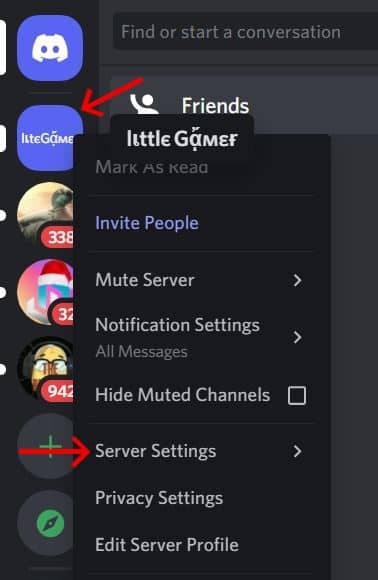
Judge sound before novelty. Say each candidate at normal speed, then say it in a sentence someone might use on Discord. A name that looks clever can stumble when spoken, clipped on mobile, or placed beside a role badge. Hide every topic description and ask a new member where they would post a specific message. Test whether it works for the task in the brief. The placement tells you more than the idea alone. A channel name is part of the interface. Clarity saves repeated moderator explanations and misplaced posts.
Channel labels should begin with a verb or member need during planning, even if the published form becomes a noun. “Ask for build help” gives a clearer brief than “Workshop,” and it exposes overlap with any existing support room. Feed that action into the Discord channel name generator, then compare the result with neighboring labels. Good channel copy reduces sorting work for members and moderators. Archive or merge rooms whose actions are no longer distinct.
Place the candidate next to its neighboring labels. The project may also involve searches for “Discord channel name ideas” and “Discord category name generator,” but those results appear in different screens and social situations. Write the job beside each one before deciding how closely they should match. One stable word may be enough to connect them. Keep one familiar joke where it adds warmth and use plain language for rules, plans, support, and recurring activities. https://discordnamegenerator.com recurring cue often carries more identity than an exact duplicate.
Put four results for Discord channel name generator into a simple mockup. Change only one part of the test: first hide the topic description, then collapse the surrounding categories, then try a collapsed sidebar, a copied channel link, mobile navigation, and a newcomer choosing where to post. Record every moment that needs an explanation. Keep a candidate when the reason is concrete, such as easy recall. Drop it when support depends on taste alone. The notes make the next round cheaper.
Discord compresses, truncates, and repeats names in ways a draft document does not. Test those conditions. Check whether capitalization supplies enough separation, whether symbols stay visible, and whether a moderator can distinguish similar members quickly. For multilingual communities, get a human language check rather than trusting a literal translation. Clear identification helps members, moderators, and assistive technology at the same time.
Before publishing, run a small placement test. Put the finalist into a mock member list, server sidebar, invite, or notification, depending on its job. Pair it with the surrounding roles and channels. Check capitalization, separators, singular and plural forms, and the abbreviation people will use people will probably say. Keep a screenshot of the old and new state if this is a change. A candidate is ready after it survives the place where members will see it.
Give the final results for Discord channel name generator to one person outside the naming session. Offer no explanation before the test. Ask that person to choose where it belongs and describe what they expect. Then reveal the intended use and compare the gap. For a channel label, a small mismatch may need one edit; repeated confusion sends the choice back to the shortlist. End with a clear owner for the final call.
Store the source sheet, the final candidate, and two backups together. Add a short note about the constraint that settled the decision. In the small friend server case, future editors can preserve the useful anchor while changing the dated part. The best result for Discord channel name generator is a name people can use without a legend, plus enough reasoning for the next person to maintain it. Keep the working brief, failed options, and final spelling together. Write down the constraint that settled the decision before the discussion fades. Apply the same checks when the name returns for another edit. A future editor can then see what was tested and repair the part that stopped working. The next pass begins with a usable record instead of another blank list. If that review arrives, check current use against the original limits and change the part that failed.